Parts, Prices and the Hinge That Decides a Laptop's Fate

Photo: independent laptop repair shop technician replacing cooling fan with screwdriver, via logos-world.net
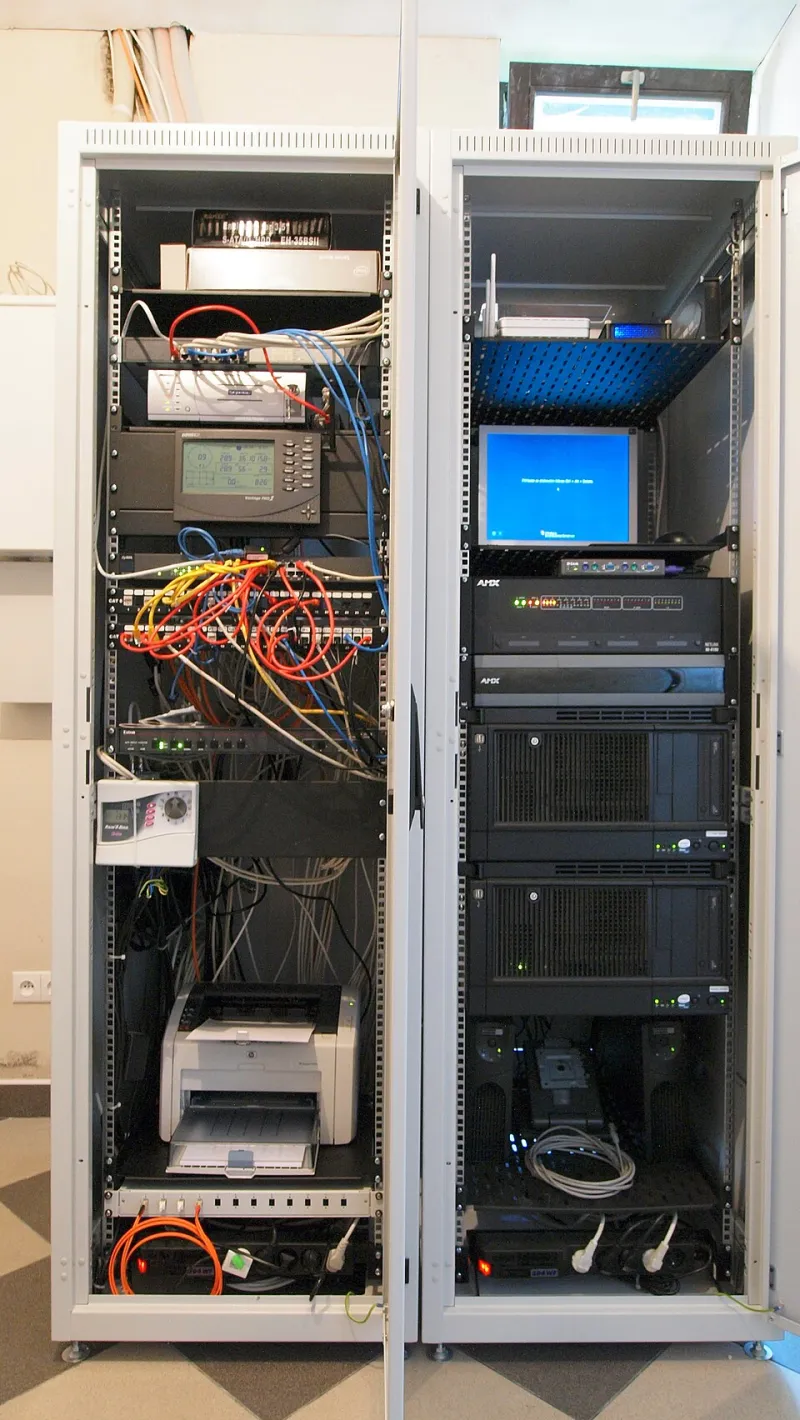
The laptop on the bench is four years old and mechanically sound except for one thing: a fan bearing that has begun to whine at a pitch its owner describes, accurately, as a small airplane in the next room. The processor is fine. The drive is fine. The screen is unmarked.
In a corporate fleet, this machine is retired without discussion. On an independent repair bench, it becomes an arithmetic problem, and the arithmetic is decided almost entirely by what the replacement fan costs.
The Arithmetic of a Small Part
The fan assembly for a common Dell consumer model runs about $89 through Dell's online parts store when it is in stock. A comparable aftermarket unit, ordered from a parts distributor that supplies independent shops, runs between $15 and $30. That gap is the entire story of repair economics in the United States, compressed into a single component that weighs less than two ounces.
At $89, the repair is still usually worth performing on a machine worth $250 to $350, particularly when the alternative is a new purchase. At $30, it is an obvious yes. The decision flips not because the labor changes, but because the part price moves the total from a fifth of the machine's value to a twelfth.
What the Parts Store Tells You
Dell's public parts store and its published service manuals are, by the standards of the industry, unusually generous. Owners can look up a service tag, identify the exact assembly, and download a manual with illustrated procedures for removing a keyboard, a battery or a display panel. For an owner with a screwdriver set and an hour, that documentation converts a $200 repair into a $60 one.
The manuals also tell you something less obvious: which parts are assemblies rather than components. A hinge that has stiffened or cracked is often sold as part of a palm rest or a full lower chassis, which pushes a $40 problem toward $150. A keyboard is frequently a single unit with the surrounding deck. Buyers who understand this before a failure tend to make better purchasing decisions about which model to begin with.
The Aftermarket Question
Aftermarket fans are, in the majority of cases, safe. They are simple electromechanical parts, and the main risks are a mismatched connector, a fan curve that runs louder than the original, or a heatsink that does not seat cleanly. Shops that perform these repairs regularly keep a small stock of known-good units and verify fit before reassembly.
The calculus differs for batteries and displays. Lithium battery packs from unknown sellers present genuine safety and longevity risks, and a counterfeit cell is not a bargain at any price. Display panels vary widely in color accuracy and brightness even when the connector matches. In both categories, the prudent path for an individual owner is an OEM part or a verified pull from a reputable reseller, not the cheapest listing on a marketplace.
Where the Tradeoff Sits
Three decision rules hold up across most of the machines that pass over a bench.
Repair when the part is under a third of replacement value. A fan, a power jack, a single memory module or a keyboard on a two-year-old machine almost always qualifies.
Repair when the failure is cosmetic or ergonomic rather than structural. A hinge that has lost tension is annoying; a hinge whose mounting points have torn out of a plastic chassis is a different job with a different price.
Replace when the failure arrives alongside a second failure. A fan and a battery and a worn keyboard on a five-year-old entry model describes a machine at the end of its economic life, and the honest advice is to stop spending.
What Owners Can Do Before Something Fails
- Look up your service tag and confirm that your model's manual is publicly available before you need it.
- Keep the vents clear and the machine off soft surfaces; most fan failures are accelerated by dust ingestion.
- Open the lid from the center of the display, not the corner, to spare the hinge mounts.
- Replace the battery when runtime falls below half, before swelling begins.
- Buy a model with accessible memory and storage if you intend to keep it past its warranty.
- Ask a local shop for a diagnostic fee in advance; most charge a flat bench fee and credit it toward the repair.
- Request the failed part back. It is your property, and it tells a technician a great deal about what happens next.
The Larger Ledger
The right-to-repair conversation in the United States has moved through state legislatures over the past several years, and the effect on the bench has been incremental rather than dramatic. The more consequential change is documentation: manuals that were once treated as trade secrets are now published, and an owner who can read a teardown is an owner who can decide against a new purchase.
The fan on the bench in Ohio was replaced with an OEM assembly, chosen deliberately because the owner intends to keep the machine another three years. The total was $89 in parts and a bench fee, against several hundred dollars for a replacement of comparable quality. The laptop went home the same afternoon, quiet again.
That outcome is not guaranteed by anything in Dell's catalog. It is produced by a part price that leaves room for a repair, a manual that lets someone attempt it, and an owner willing to ask the question before discarding a working machine.