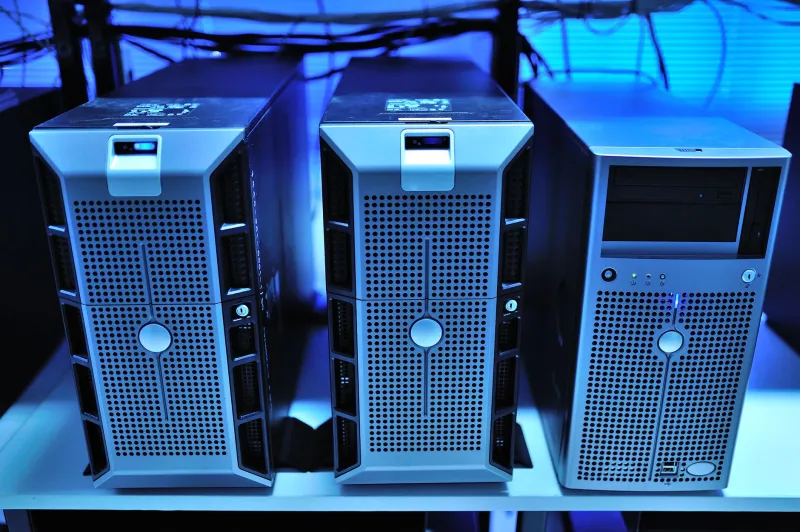
The Second Market: How Refurbished Dell Enterprise Hardware Became a Procurement Strategy, Not a Compromise
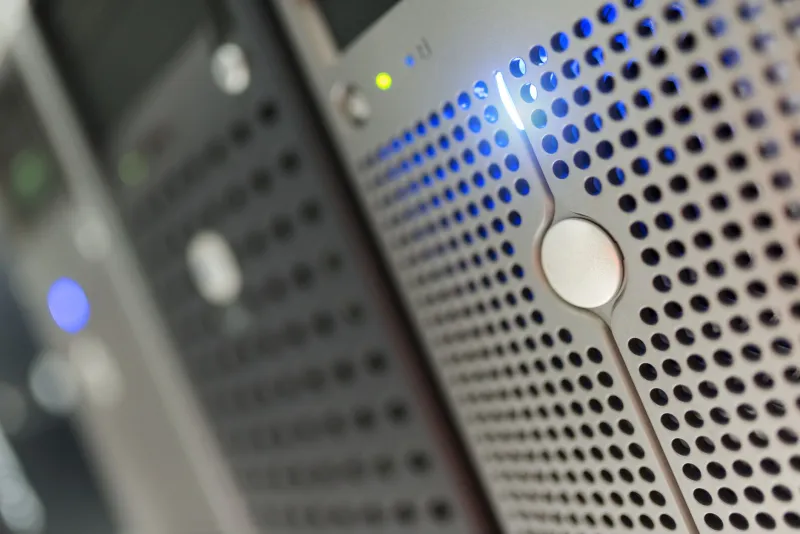
In a climate-controlled warehouse outside of Columbus, Ohio, a team of technicians is methodically disassembling Dell PowerEdge servers. Each unit is cleaned, tested, re-imaged, and inspected against a checklist that runs to several pages. Drives are wiped to Department of Defense standards. RAM is reseated and stress-tested. Chassis are examined for structural integrity. When a unit passes, it receives a certification sticker and moves to inventory. When it does not, it is parted out or flagged for deeper repair.
This is not Dell's own refurbishment operation. It is one of dozens of independent businesses across the country that have built thriving enterprises on the back of Dell's reputation for building hardware that lasts.
"We couldn't do what we do if the original equipment wasn't so well-built," said the warehouse's operations manager, who has been in the secondary market technology business for over a decade. "Dell enterprise gear from five, six, seven years ago is still genuinely capable. That's the whole business model."
Why Enterprise Dell Holds Its Value
Not all hardware ages equally. Consumer-grade equipment — built to price points that prioritize margin over longevity — often degrades in ways that make secondary market resale impractical. Components wear unevenly. Thermal management systems that were marginal when new become liabilities over time. Proprietary connectors limit repairability.
Dell's enterprise and commercial lines — the OptiPlex, Precision, Latitude, and PowerEdge families in particular — were engineered to different standards. Higher-grade internal components, more robust thermal solutions, and a parts ecosystem that was designed with serviceability in mind have made these platforms unusually durable. The same engineering choices that make Dell equipment attractive to large enterprises also make it attractive to the secondary market operators who acquire that equipment when those enterprises cycle it out.
"When a Fortune 500 company refreshes five thousand OptiPlex desktops, most of those machines have three to four years of actual use on them," explained a corporate surplus manager at a large technology asset disposition firm headquartered in the Dallas–Fort Worth area. "They're not worn out. They're just done being the current model. That's a very different thing."
The distinction between "no longer current" and "no longer capable" is at the heart of the refurbished Dell market's growth.
The Buyers Reshaping Procurement Norms
The organizations purchasing refurbished Dell enterprise hardware represent a broad and perhaps surprising cross-section of the American economy.
K-12 school districts have long been significant buyers in the secondary market, where budget constraints make new hardware procurement difficult. But increasingly, the buyer profile has expanded. Regional law firms, community health clinics, logistics companies, and technology startups are all represented among the customer bases of major refurbished Dell resellers.
At a healthcare staffing firm based in Atlanta, the IT director described a deliberate shift in procurement philosophy that occurred roughly three years ago. "We were spending a lot on new hardware and getting caught in refresh cycles that didn't align with our actual operational needs," she said. "We started piloting certified refurbished Dell workstations and servers, and the performance delta versus new was much smaller than we expected. The cost savings were significant."
Her organization now purchases a mix of new and certified refurbished Dell equipment, with the allocation determined by workload requirements rather than a blanket preference for either category. Compute-intensive roles receive current-generation hardware. Administrative workstations, conference room systems, and back-office infrastructure are candidates for certified refurbs.
"It's not about buying cheap," she clarified. "It's about buying right."
The Certification Question
One of the most significant factors in the refurbished Dell market's mainstream acceptance has been the maturation of certification standards among reputable resellers. The landscape is not uniform — not every seller offering "refurbished" equipment applies the same rigor — but the presence of well-documented certification processes has given procurement teams a framework for evaluating vendors.
Leading resellers in the space have invested in standardized testing protocols, documented refurbishment procedures, and warranty offerings that approximate those available on new equipment. Some have pursued formal partnerships with Dell's own certified refurbished program, while others operate independently with their own quality frameworks.
For IT procurement managers, the due diligence process for selecting a refurbished vendor has become a recognized discipline. References, audit documentation, warranty terms, and return policies are all standard components of the evaluation.
"The days of buying a pallet of mystery servers and hoping for the best are largely over, at least for serious buyers," noted a technology procurement consultant who advises mid-market companies across the Midwest. "The professional resellers have built real quality systems. You're not gambling — you're making a calculated purchase with documentation to back it up."
The Economics in Detail
The financial case for refurbished Dell enterprise hardware is compelling when examined against total cost of ownership rather than sticker price alone.
A certified refurbished Dell PowerEdge server from a reputable reseller may be priced at forty to sixty percent of the equivalent new unit's list price, depending on generation and configuration. For organizations that do not require the latest generation's performance headroom — and many do not — the functional difference between that refurbished unit and a new purchase may be negligible for years of productive service.
The same arithmetic applies to workstations and laptops. A Precision mobile workstation from two or three generations prior, fully refurbished and under warranty, can serve a developer or designer effectively at a fraction of the cost of a new equivalent. The savings can be redirected toward other infrastructure priorities or simply returned to the operating budget.
For mid-market companies competing with larger organizations for talent and capability, this kind of procurement efficiency is not a peripheral consideration. It is a meaningful operational advantage.
What the Market Reveals About Dell's Engineering Legacy
Perhaps the most striking aspect of the refurbished Dell enterprise market is what it implicitly communicates about the hardware itself. Secondary markets do not thrive around products that fail quickly or age poorly. The vitality of the reseller ecosystem — the warehouses, the technicians, the certifications, the buyer demand — is, in its own way, a form of product validation.
Dell built hardware that organizations trusted enough to run for years, and then built hardware that other organizations trusted enough to run for years more. That continuity of trust, expressed through commerce rather than marketing, is the quiet story behind every certified refurbished unit that moves from a Columbus warehouse to a company's server room.
For IT leaders still weighing whether refurbished belongs in their procurement mix, that story is worth reading carefully.